
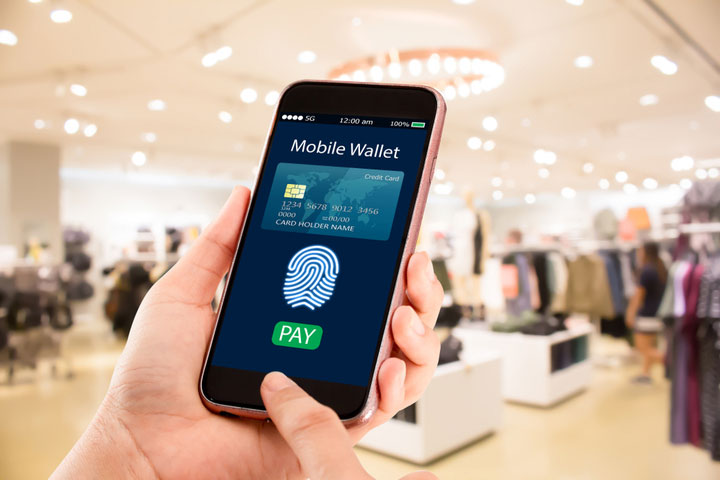
Mobile wallet adoption has moved from a niche digital convenience to a dominant element of daily financial transactions in Pakistan. The growth of digital payment systems affects how consumers behave, how households manage resources and how businesses plan outreach. For professionals working in market research in Pakistan, mobile wallet usage provides direct insight into evolving financial habits and the emerging digital economy. Leading market research companies in Pakistan now include mobile wallet behavior as a core research area.
Mobile wallets expanding in urban and rural Pakistan
The rise of mobile internet and affordable smartphones has accelerated adoption across Pakistan. Urban users rely on mobile wallets for fast and reliable payments, including retail transactions and utility bills in cities like Karachi and Lahore. Rural adoption follows a different logic. In many remote areas across Khyber Pakhtunkhwa and Balochistan, mobile agents provide easier access than physical bank branches.
This dual adoption path highlights Pakistan as a key case for studying digital financial inclusion. For market research companies in Pakistan, comparing adoption barriers across districts supports more targeted product rollouts.
How mobile wallet usage changes spending habits
Mobile wallets increase the frequency of everyday micro transactions. Consumers in Pakistan using digital payments tend to make more spontaneous purchases because the barrier to payment is reduced. For FMCG brands and low cost subscription services, this shift reshapes promotional strategies.
Mobile wallet usage also encourages spreading bill payments across the month instead of bulk settlement. For telecom and utility providers, this pattern creates more predictable revenue flows. Insights into spending cycles allow organizations engaged in market research in Pakistan to guide businesses on promotion timing.
The reduced need for debit or credit cards has accelerated e commerce adoption among users outside major cities. This expands the addressable digital market significantly.
Trust and security concerns
Mobile wallet adoption depends heavily on trust. Pakistani consumers evaluate digital payment apps based on security, transaction transparency and accessible customer support. Fear of fraud and technical failure remains a top barrier.
Rumors of fraud spread quickly through informal networks, particularly in rural Pakistan. Market research companies in Pakistan track trust perceptions to help payment providers refine communication strategies and dispute resolution systems.
Impact on domestic remittances and household budgeting
Domestic remittances are a major driver of mobile wallet adoption in Pakistan. Migrant workers in Karachi, Lahore and Gulf states send funds digitally to families in rural areas. Recipients then use mobile wallets for payments or withdrawals.
This flow formalizes household spending patterns and offers market researchers valuable behavioral signals about budgeting, resilience and consumption priorities.
Opportunities for small and micro businesses in Pakistan
Mobile wallets lower the barrier to accepting digital payments for shopkeepers, street vendors and service providers. Businesses in markets such as Saddar in Karachi or local bazaars in Multan can transact without POS systems.
Digital transaction histories provide documentation for microcredit applications. As informal and formal financial data merge, market research in Pakistan will increasingly analyze how digital payment histories influence access to financing.
Challenges slowing wider adoption
Despite growth, adoption barriers persist in Pakistan:
- limited digital literacy for advanced features
• inconsistent agent availability in low density areas
• unstable network and occasional transaction delays
These challenges shape adoption curves differently across provinces. Reliable fieldwork by market research companies in Pakistan helps payment providers prioritize infrastructure investments.
Why market research matters during the transition
Digital payment behavior in Pakistan continues to evolve. Accurate data is necessary to understand how adoption varies by age, gender, education and geography. Surveys, UX field testing and behavioral studies reveal gaps that usage statistics miss.
For example, many Pakistanis install wallet apps but rarely transact, or avoid certain functions due to unclear instruction flows. Without qualitative insights, providers cannot address these barriers effectively.
Behavioral research by market research companies in Pakistan helps payment providers and policy actors anticipate long term shifts from cash to digital money.
The role of ACE Research in digital payment studies
Reliable data is central to understanding digital financial behavior in Pakistan. ACE Research supports projects through trained field teams and mobile data tools that capture real user experience. Its nationwide footprint enables research across urban centers and remote regions.
Through ACE Research, organizations can conduct baseline assessments, study UX friction points, analyze trust drivers and assess demand response across Pakistan’s diverse market.
The future of mobile wallet usage in Pakistan
The next stage of growth will depend on interoperability, merchant acceptance, stronger trust systems and expanded financial services embedded within wallets.
Youth adoption will continue to rise, but growth in older and rural populations requires secure infrastructure and consistent support. Continuous market research in Pakistan will guide financial service providers in adjusting product design, agent networks and communication strategies.
Conclusion
Mobile wallets are reshaping spending, saving and payment behavior in Pakistan. The transition affects consumer decisions, business models and household budgeting patterns. Reliable field data is necessary to understand this shift, and market research companies in Pakistan play a critical role in capturing and interpreting these patterns. Platforms like ACE Research strengthen this ecosystem by providing accurate data collection and real time insight into changing financial behavior across Pakistan.